
Drag to explore Spaces Systems
Info
Explore
Debug
Menu
Projects

SCREENS

  • APPS
  • GAMES
  • ONLINE
  • DOOH

SPACES

  • AR
  • VR
  • INSTALLATION
  • REALTIME VFX

SYSTEMS

  • PLATFORMS
  • SOFTWARE
  • AI

Back to projects

Home
Loading

Ready Player One

7-Hour game for London's
biggest Toy Store

Debug role
Concept, Design & Development

Platforms
Web, Mobile, Billboard

Collaborators
Miura

Scroll

Ready Player One

ON-SET REAL-TIME VFX & TECH

6 min read
Project
Virtual Production
Film
VFX
Technologies
VR
Oculus
Unity
Motion Capture

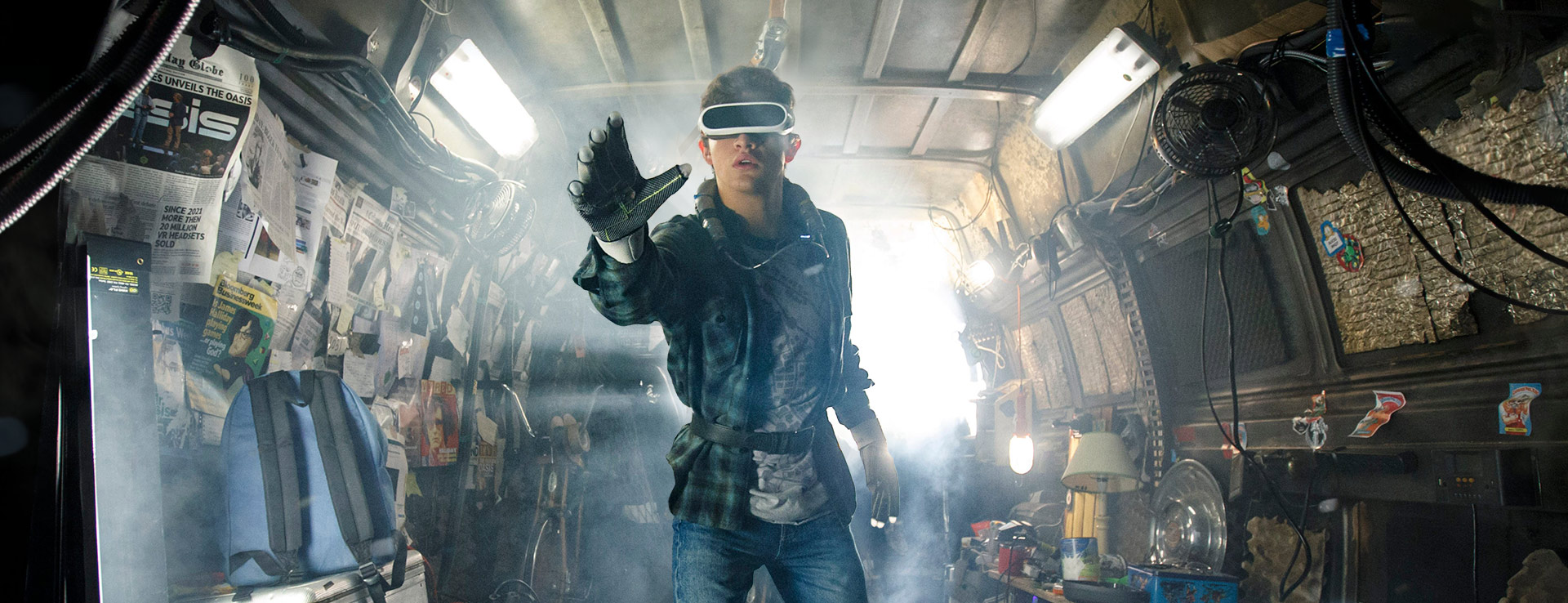
A summer at Warner Bros' Studios, working on the Virtual Production of a Hollywood feature film.

Software traditionally used for making games allowed for motion-captured actors to appear in the film’s digital environments. The actors moved through virtual worlds, interacting with each other and props - all viewed in real-time on surrounding screens or first-person through VR headsets. The creative process for vfx-heavy shoots was back on-set, putting filmmakers at the forefront of their creations again.

Pretty crazy to have the pleasure of working with Spielberg and his team too!
;

OUR ROLE: LAB TECHNICAL DEVELOPMENT

Working alongside Digital Domain on-set, the role was hands-on and varied, a mix of visual and technical...

Using ILM's 3D models and concept art (as a guide for the specific tone of each scene), virtual environments were setup (shaded, textured, lit, animated), with real-time effects overlaid to create ambience and compliment the action.

The motion capture stage and virtual camera sessions were supported by these rich virtual environments, with actors and filmmakers able to see detailed visuals of the digital worlds they're working in. As they moved body-controlled avatars or cameras through these worlds they could instantly see the results of their actions, allowing for more spontaneous creativity and quick iterations in the moment.

Their performance and camera capture data inside the virtual environments were rendered into shots and passed to editorial daily, so rough cuts of the film could continually be previewed throughout the shoot.

This was all being done alongside the film pipeline (how data is passed and displayed from one stage in a production to the next) regularly being tweaked on the fly, with us helping develop tools to improve on-set workflows.

We were a small team working in a really agile way, looking to implement and enhance things wherever we could.

+ More


VIRTUAL PRODUCTION
THE REALTIME
FILMMAKING PIPELINE

VIRTUAL PRODUCTION?

The increase of CGI in films advanced storytelling to escape to ever-more interesting places with increasing levels of realism. But these changes were shifting production from the stage floor to VFX houses. To some extent directors were distant and actors were absent. Virtual Production came about to address this, to put control back into storytellers' hands and creative choices firmly back on-set, placing digital shoots in-line with live-action shoots.

Virtual Production opened up a new way of working, making it possible to see and manipulate digital environments and characters in real-time while shooting. Directors define what was previously open to interpretation for the post VFX team; they control lighting, object and character placement, camera framing and movements... shot-by-shot they shape the film to their vision, all on the stage floor before it passes to post.

For actors the green screen is replaced with digital screens, sometimes giant and curving around them. There's no need to imagine environments that will be added later, they're continually immersed in them, making performances more authentic. Their virtual characters move around digital environments as the actors play them out, with directors able to guide and gauge performances in-situ.

Where as technology once hindered production flows, it now empowers, enabling storytellers to work with results approaching their final form in real-time on-set. Directors have greater control, actors have a deeper understanding, the end result is closer to their visions.

+ More

GAME ENGINES ON-SET

The Virtual Production of Ready Player One ran through the Unity game engine software. It was the visual end-point for processes at each step - 3D displays across stage floor screens, scouting in VR, and even rendering each frame for the film's rough cut.

A game engine's real-time updating and displaying abilities bring immediacy to traditionally slow VFX workflows. Real-time means instant; there's no waiting, no delayed processing, everything updates together in context.

There was tight synchronisation across computers and screens on-set. If someone moved an object or updated it's look, those changes reflected for everyone else, with data passing from one piece of software to another. These software were part of a cohesive whole, the on-set pipeline - a web of softwares working together seamlessly in-sync, with Unity core to the pipeline.

The introduction of game engines to on-set pipelines was disruptive in the best way. Real-time technologies on virtual shoots allow everyone to quickly react, iterate and create, with control and visibility at all times.

+ More

MOTION CAPTURE

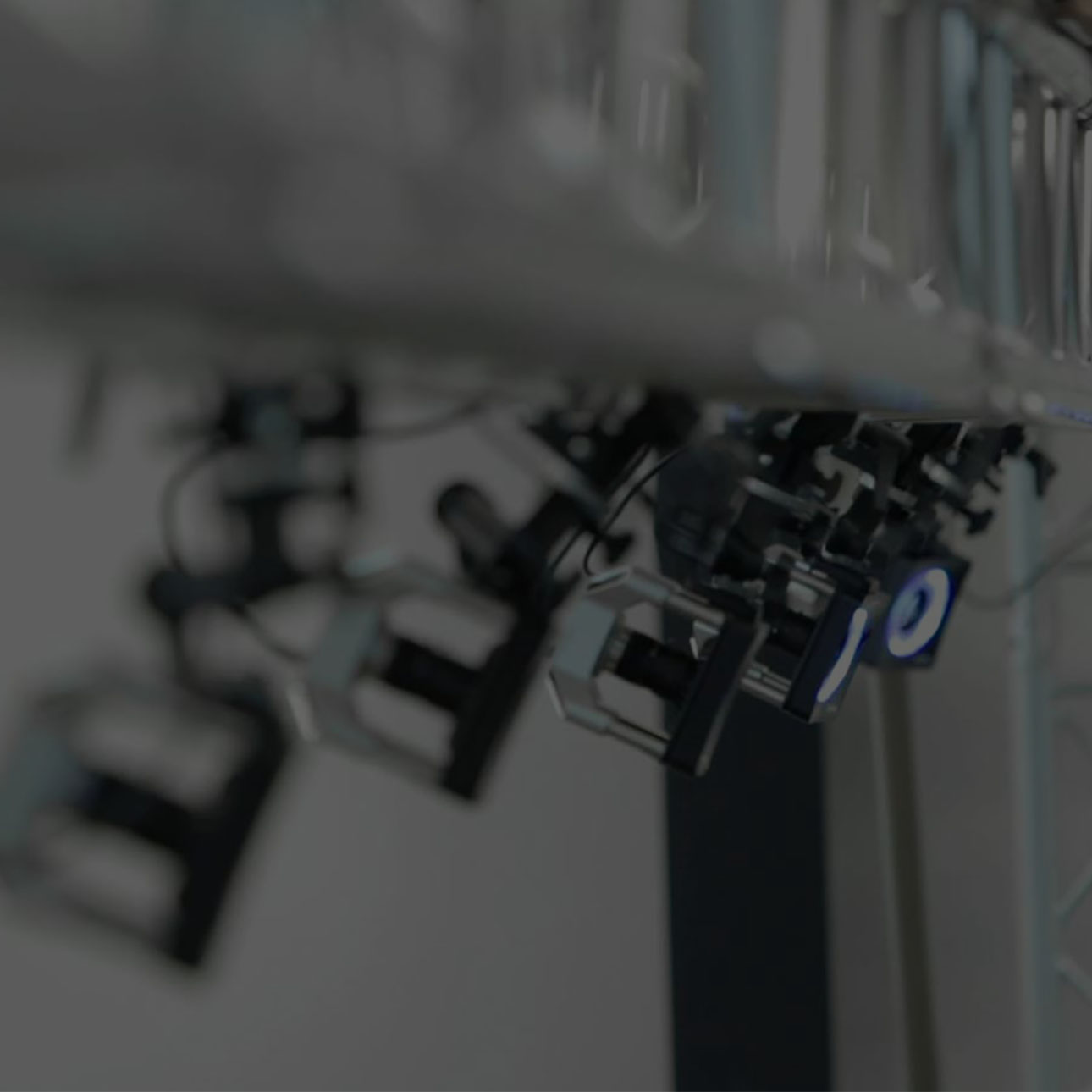
The actors wore optical tracking marker suits and head-cameras to capture their performances. These suits are lined with reflective marker balls which provide three-dimensional data when picked-up by 100's of infrared Vicon cameras surrounding the stage - enabling the position and orientation of actors to be continually tracked as they move.

This data streamed in real-time to MotionBuilder, which maps and scales (retargets) the data to virtual skeletons comprised of joints and bones of varying sizes. The animated skeletons then stream to Unity (also in real-time!) where they’re applied to avatars in the film's virtual environments. Here they are rendered live with lighting, shadows, and other filmic effects (depth of field, fog, particles) layered on top.

The result of all these efforts is displayed on screens around the motion capture stage, giving an instant, detailed impression to everyone on-set of how the actor-controlled characters will look in the final edit.

+ More

THE VIRTUAL CAMERA

In a virtual shoot there's two parts to filming; actor capture and camera capture. Traditionally these are tethered, but in Virtual Production actor and camera performances can detach.

On the motion capture stage the director focuses on the actors, then later the camera is worked on separately, adjusting and improving the framing, perspective, cuts, paths, lens... Spielberg would do this for many hours each day in a private motion capture space, he said of the process "I had to learn how to make a film like this while I was making a film like this".

Screens display the captured actor performances composited into the virtual environments. Using a trackable handheld tablet-like device, the director freely controls the camera in the digital scene by moving around the physical capture space, mimicking how shots are captured on real cameras.

This approach literally puts the camera back in the hands of the director on virtual shoots, ensuring shots finalised in post have their touch and are aligned with their vision.

+ More

HANDOVER TO POST

The position and motion of the cameras, characters and environments captured during our virtual shoot were passed to ILM to use in post-production. The motion capture and virtual camera data was their template for bringing together the polished VFX shots.

Combined with the cut of the film made during the shoot, the post team knew precisely the on-set intentions. The Virtual Production process puts filmmakers in control of their creations again, both on-set and in the final cut.

VR ON-SET
VIRTUAL SCOUTING

Virtual sets were challenging for filmmakers and actors when they weren't able to see character surroundings or physically move around their environments.

Ready Player One defined the use of VR in Virtual Production. VR removes the reliance on collective imagination, on the stage floor anyone can put on a headset to visualise the set, stepping inside and moving through the virtual world together. Shots, sequences and character placement can be considered, with the environment and objects manipulated on the spot to better suit the intent.

COLLABORATORS & CREDITS

Many talented people were involved in this, but in our pocket of the project...

VIRTUAL PRODUCTION
DIGITAL DOMAIN

VIRTUAL PIPELINE
DIGITAL MONARCH
MOTION CAPTURE
AUDIOMOTION

REAL-TIME DEVELOPMENT
DEBUG
THANKS TO
GIRISH BALAKRISHNAN
GARY ROBERTS
WES POTTER
BRIAN MITCHELL
KEN TURNER
VIRTUAL PRODUCTION
DIGITAL DOMAIN

VIRTUAL PIPELINE
DIGITAL MONARCH

MOTION CAPTURE
AUDIOMOTION

REAL-TIME DEVELOPMENT
DEBUG
THANKS TO
GIRISH BALAKRISHNAN
GARY ROBERTS
WES POTTER
BRIAN MITCHELL
KEN TURNER