Drag to explore Spaces Systems
Info
Explore
Debug
Menu
Projects

SCREENS

  • APPS
  • GAMES
  • ONLINE
  • DOOH

SPACES

  • AR
  • VR
  • INSTALLATION
  • REALTIME VFX

SYSTEMS

  • PLATFORMS
  • SOFTWARE
  • AI

Back to projects

Home
Loading

Toy Town

7-Hour game for London's
biggest Toy Store

Debug role
Concept, Design & Development

Platforms
Web, Mobile, Billboard

Collaborators
Miura

Scroll

Toy Town

CROSS-PLATFORM GAME

10 min read
Project
Casual Gaming
Mobile / WebGL
Technologies
iOS
Android
WebGL
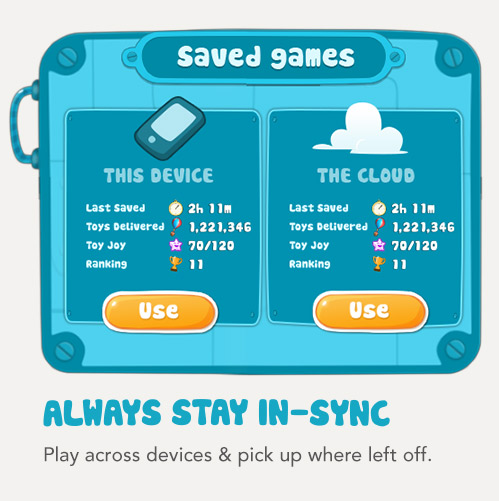
Cloud Syncing
Unity
Maya

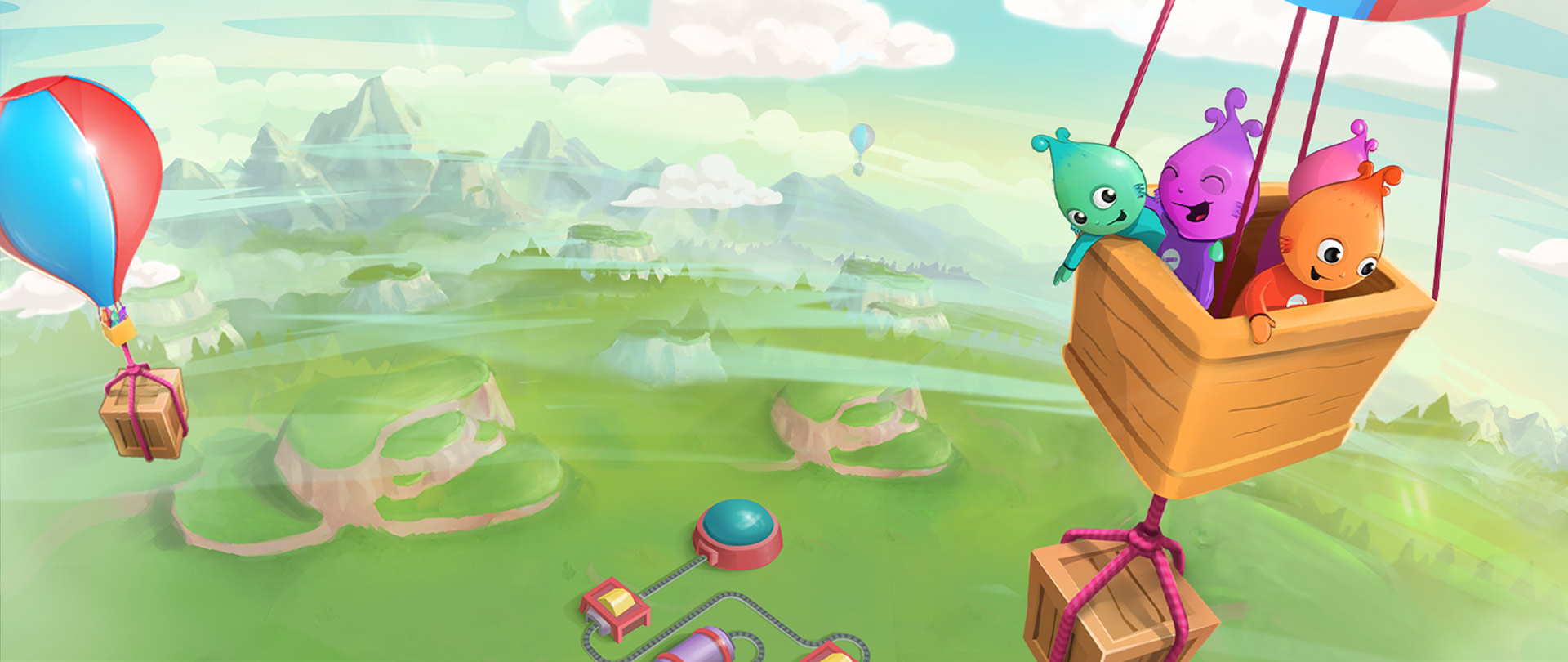
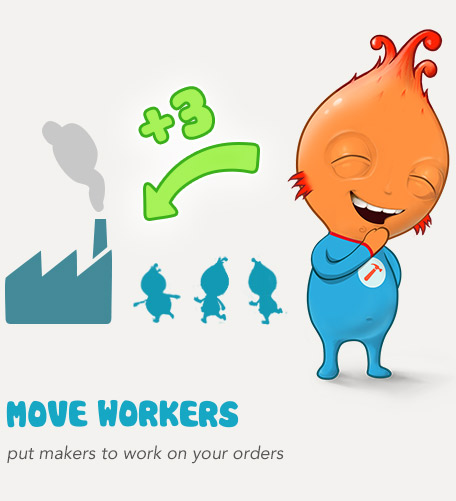
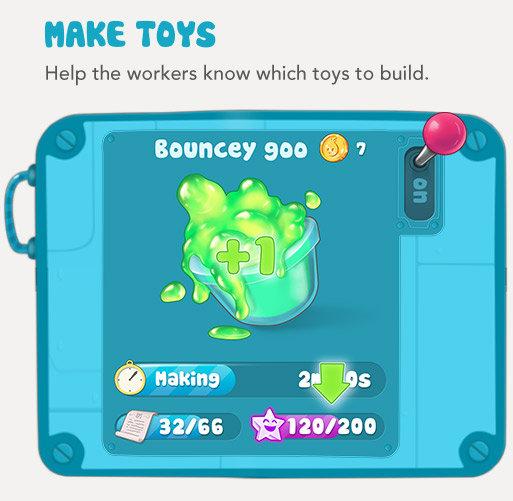
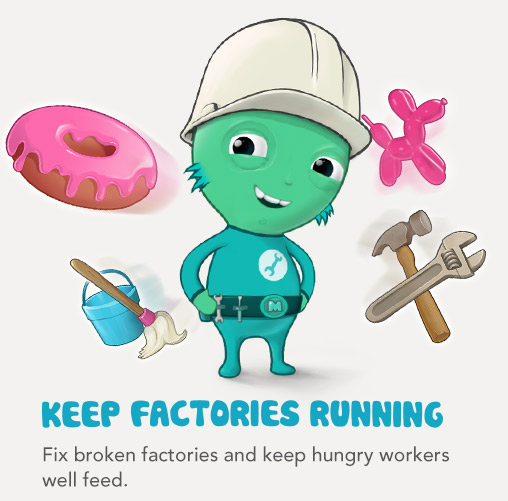
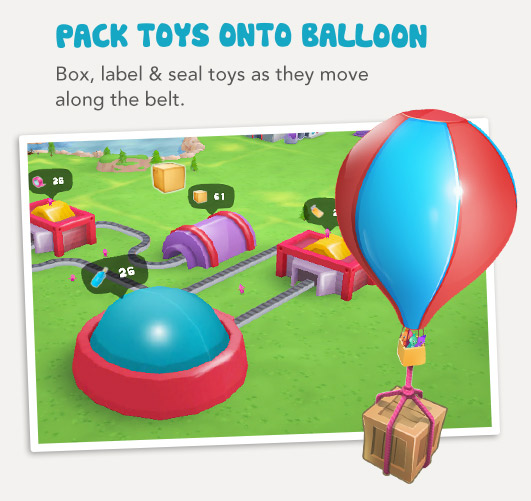
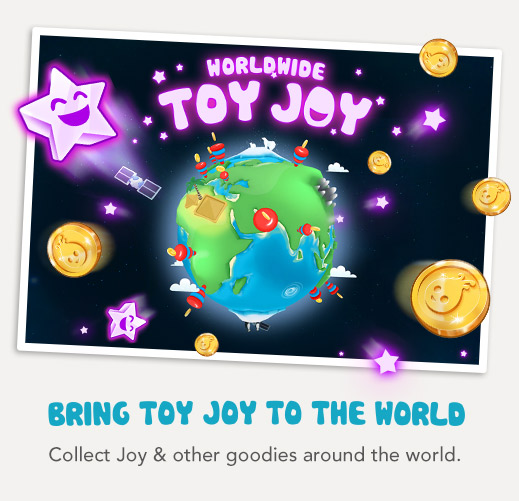
Joy around the world has run low, kids need toys! Build and run a town full of toy-making factories with the help of their handy workers.

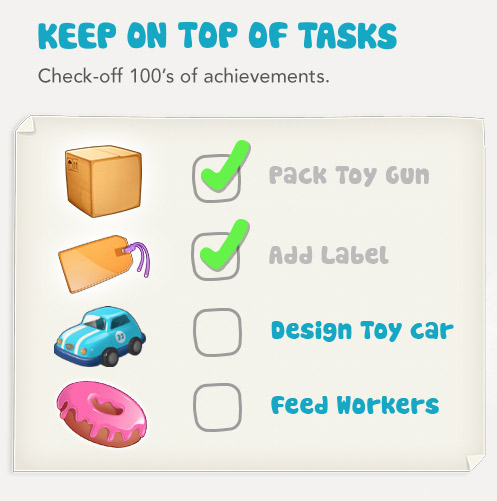
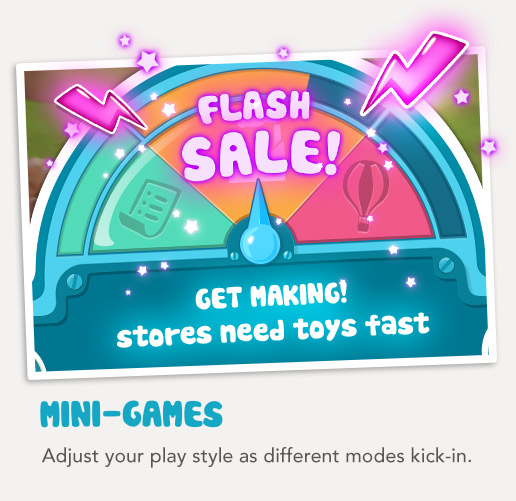
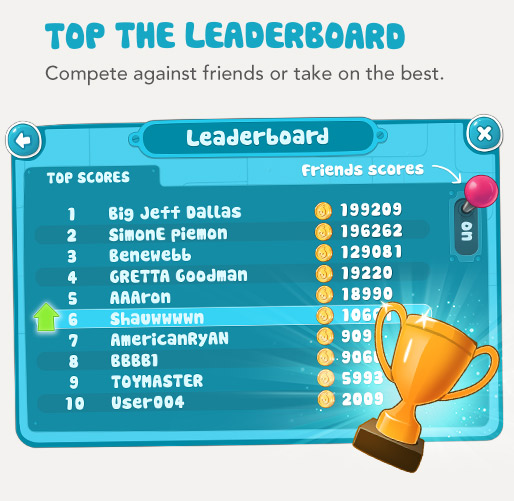
Easy to learn yet tricky to master, players are kept hooked with looping gameplay and pacy progression. The game has juicy energy throughout, from vibrant design to bouncy animation and punchy sound; while catering nicely to the certainty we all share that shiny rewards are very important.

See what goes in to making a 10+ hour game...

;
Never a dull moment...

MAKING A GAME FUN

Fun is so subjective, tricky to universally quantify. It lacks a definitive form with many ingredients combining to create a fun feeling; playful, amusing, exciting, surprising, challenging, puzzling, frustrating, rewarding, addictive...

Putting an emphasis on the fun qualities of games can be a little deductive, focusing too much on gratification while trivialising the content and it's message. Many games are great because they evoke emotions deeper than those derived from simply having fun. But for casual games where an abundance of short-burst repetitive sessions are the aim, fun is key. It's a prerequisite for engagement, for how hooked the player feels. It's paramount to the experience, playing is simply fun.

A core component of making a game fun is giving the player the joy of discovering. The brain likes to spot and remember patterns, figuring out a game’s mechanics and finding it's secrets feels good, we get a dopamine (happy hormone) kick. Subtly reveal underlying systems to the player, have multiple ways to achieve goals, while applying jeopardy, rewards and penalties. Have lots to find, lots of random, lots of variety.

Game juice is essential too. Juice is the game's feel, a virtual sensation - the language of game design. A game's feel makes it fit it’s theme and tone, but crucially it's also central to the player’s involvement and how enjoyable the experience is. It's both visual and sensorial, the game world becomes enticing while being responsive and contextual to the player’s actions... shake the screen or momentarily pause the action to emphasise a moment, place subtleties and charm in movements and animations, randomise sounds, make that shiny thing really shine!

Juice needs to be layered on top to double down on what the game’s about at it’s core, to compliment the underlying mechanic whatever that may be (for platform games emphasise the jumps and everything associated with them!). The player connects with the game, like they're really touching and influencing it. It's ultimately about making games look, feel and sound great; so they're alive, reactive and inviting. Juice makes games much more fun.

We slipped up while making Toy Town, our initial version felt a little too functional over fun. But after applying these fun thoughts we landed on a really exciting and satisfying game.

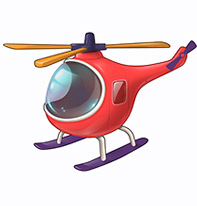
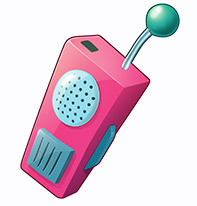
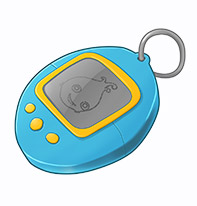
FACTORIES DESIGNED TO LOOK LIKE THE TOYS THEY MAKE

00:47

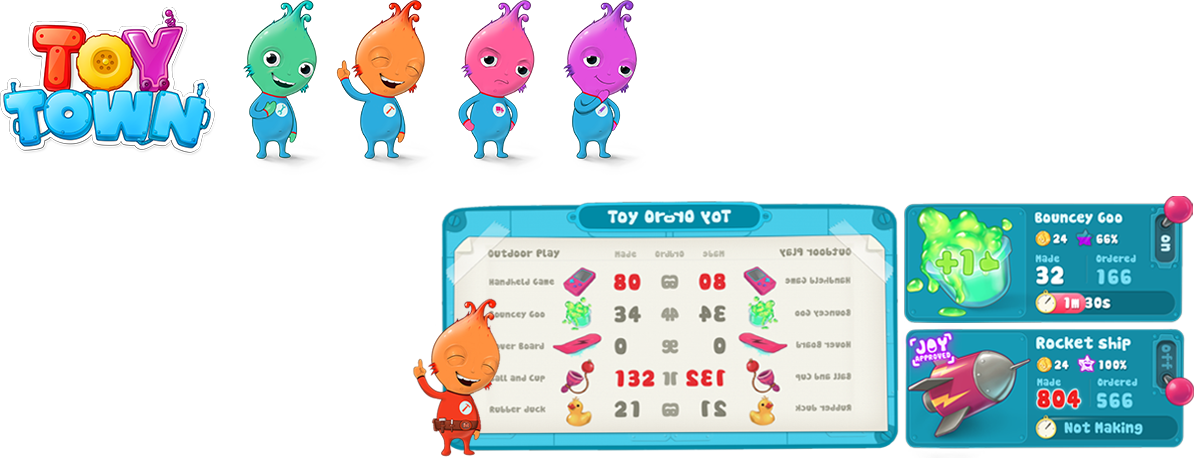
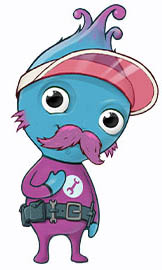
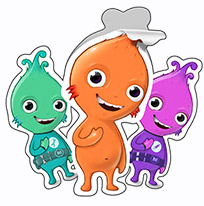
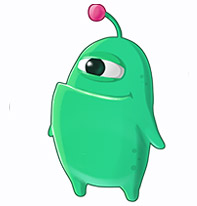
Character Design

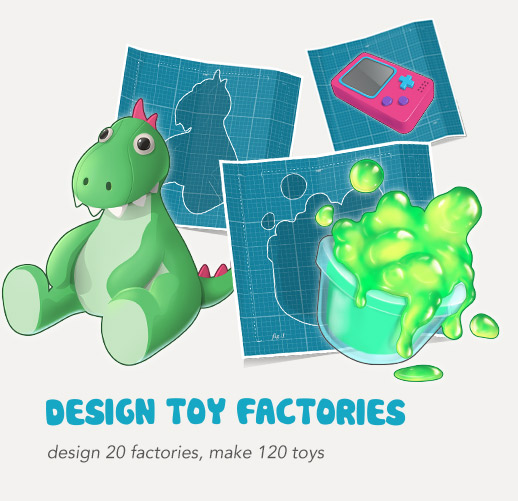
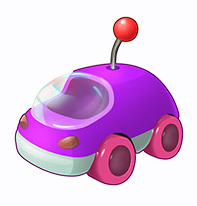
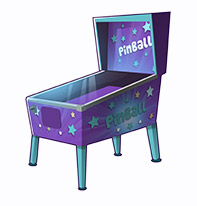
Toy Design

A game's design is the creation of both it's systems and content, and very much separate from coding, art or animation. There's a lot of trial and error, head-scratching and careful consideration needed to make things interesting for players...

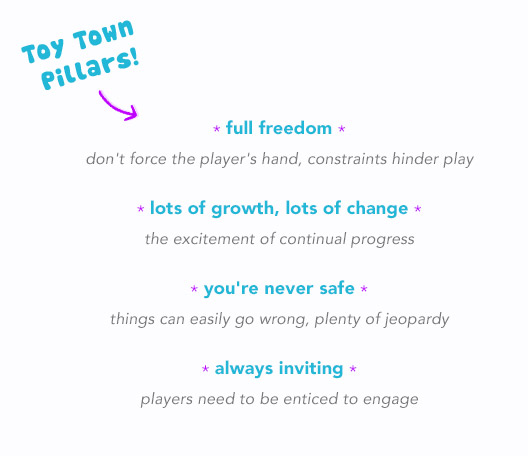
GAME PILLARS

Game Pillars are about finding the heart of the game, what the player should feel in the moment-to-moment gameplay, what's most exciting.

Fixed at the beginning of a project, they remain unchanged throughout. They're the foundations of all development, everything else builds around them. There should be 3-5 at most, with each succinct so they can continually be referenced to sense-check features and ideas. Every included feature needs to align with at least 1 pillar, when simple ideas support multiple pillars they're likely a good win.

Pillars focus a game's evolution, giving teams a shared understanding of constraint. They're a tool for cohesive design, aiding making informed decisions while preventing unnecessary features from creeping in.

+ More

GAME DESIGN

GAME DESIGN

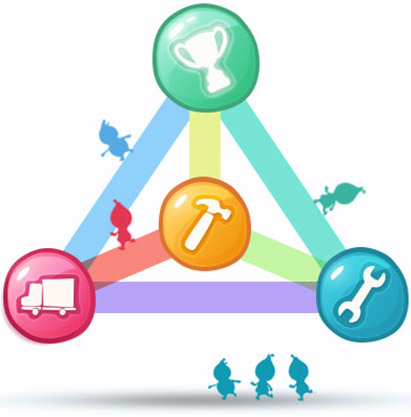
For Toy Town we took a pyramid-like approach whereby each decision from the bottom-up referenced what's above to ensure it served that purpose well. Our levels each had 1 core goal, this goal was the peak of our pyramid

Decisions/features complimented each other while collectively all geared towards serving the peak. This meant if time slipped during development we could easily focus on the key parts that everything else was subservient to.

We also parametrised fun by assessing the impact each inclusion would have on the game’s enjoyment, only if it had a positive effect would it be implemented. This allowed us to cut empty calories while identifying the core of what made the game exciting to play.

+ More

FEEDBACK LOOPS

FEEDBACK LOOPS

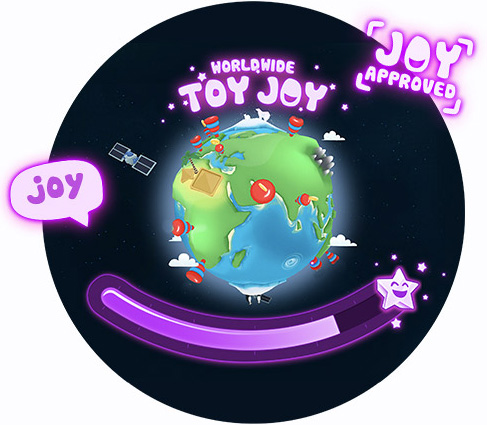
Feedback loops are systems that reward or penalise the player based on their actions, with the game state or progression adjusting accordingly. They stem from science, the output of a reaction either increases or decreases the rate of a reaction.

Positive loops allow players to build on their successes, negative loops make things trickier. Balancing them is one of the most important aspects of game design, when done right they keep the challenge consistent throughout.

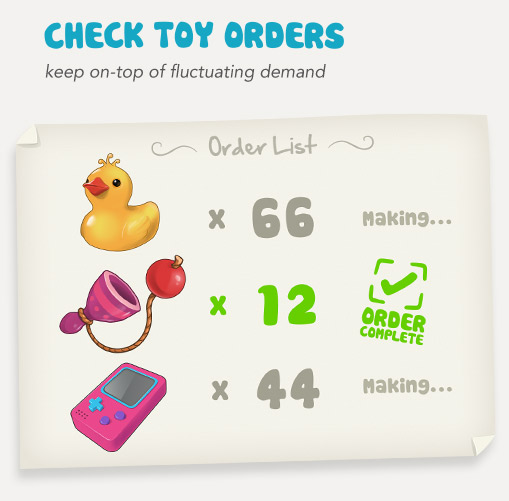
Toy Town uses feedback loops at it’s core. Toys create the in-game currency, ‘joy’. Clearing orders leads to a positive loop... joy boosts toy production, which in-turn creates more joy, which in-turn further boosts toy production. Missing orders leads to a negative loop... without joy the town is out of tune and doesn't run well, workers can't make as many toys. The game continually ping-pongs between these looping states, maintaining a feeling of both challenge and achievement.
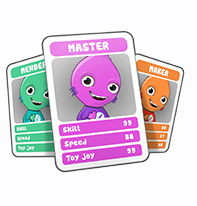
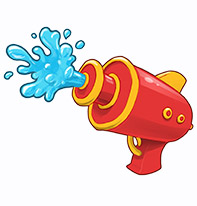
+ More

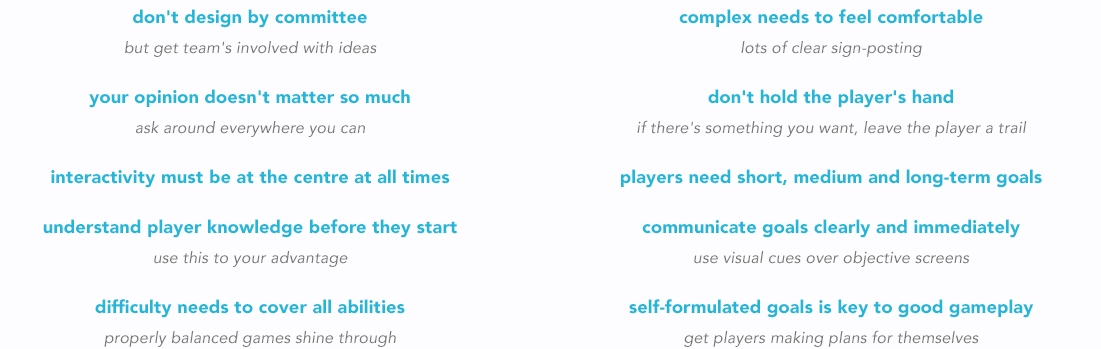
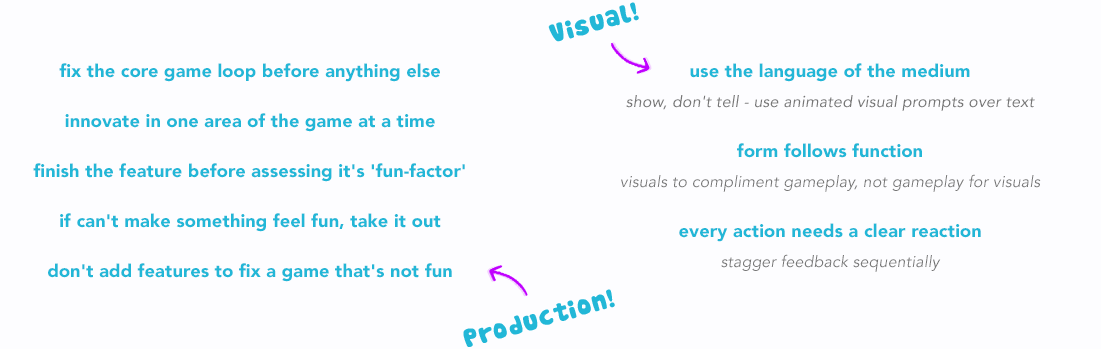
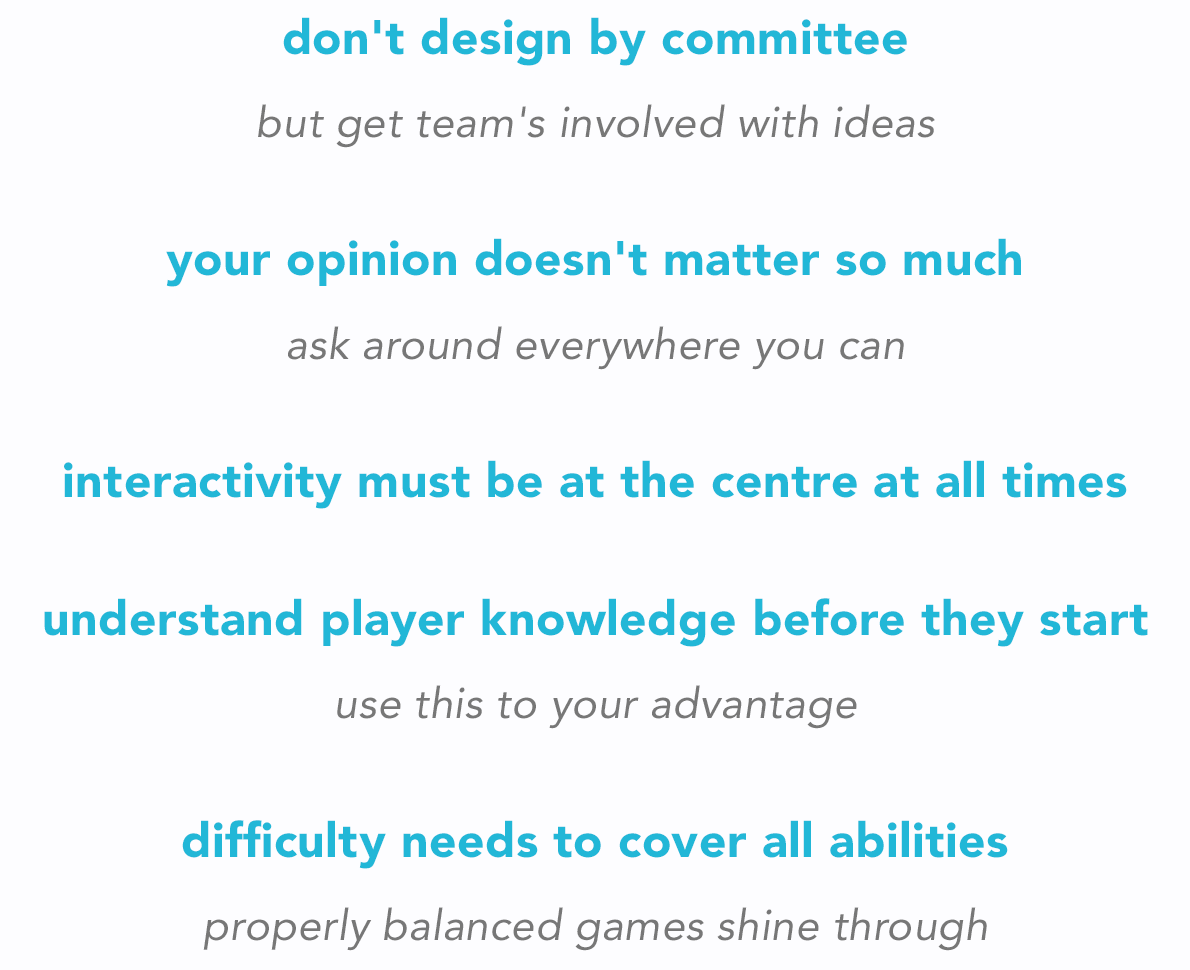
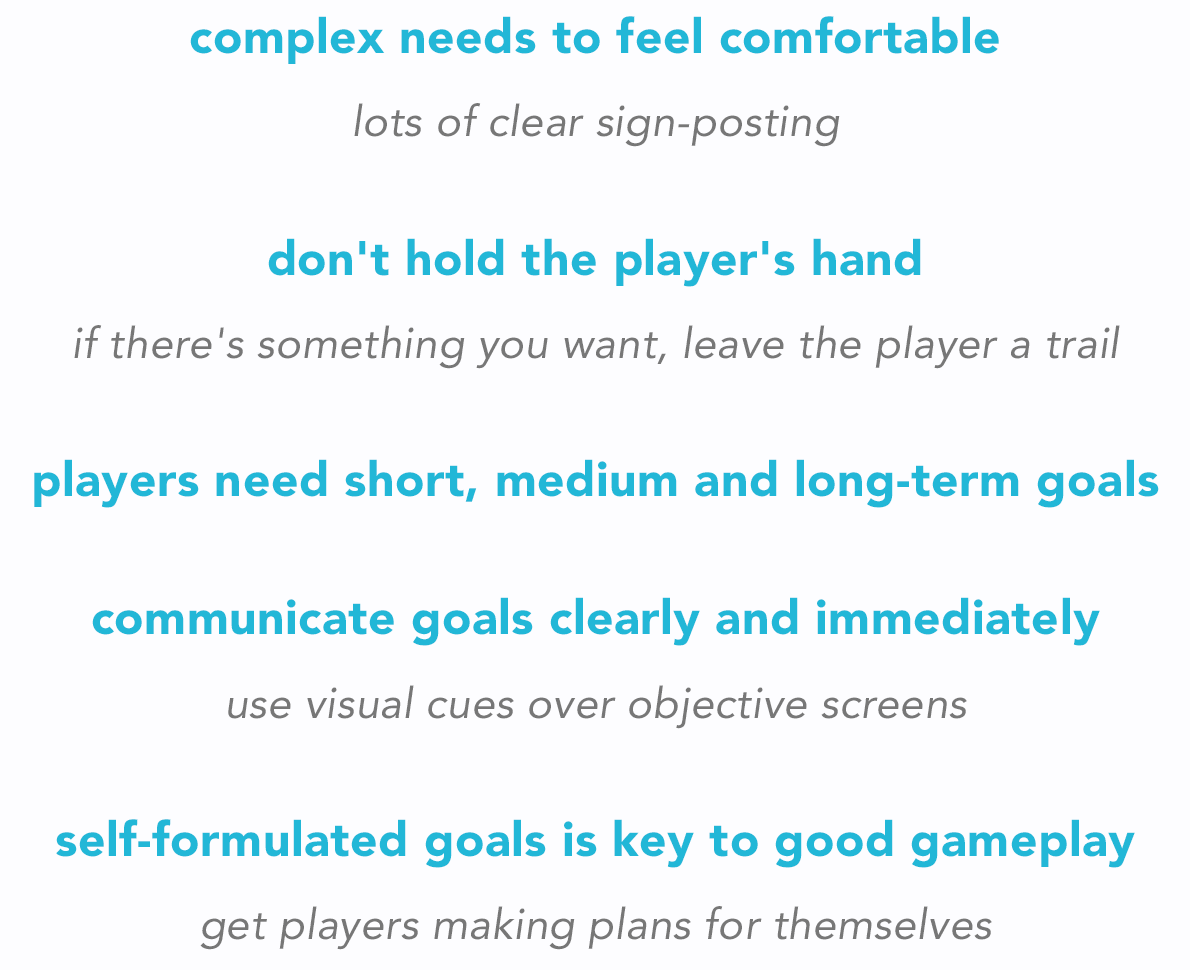
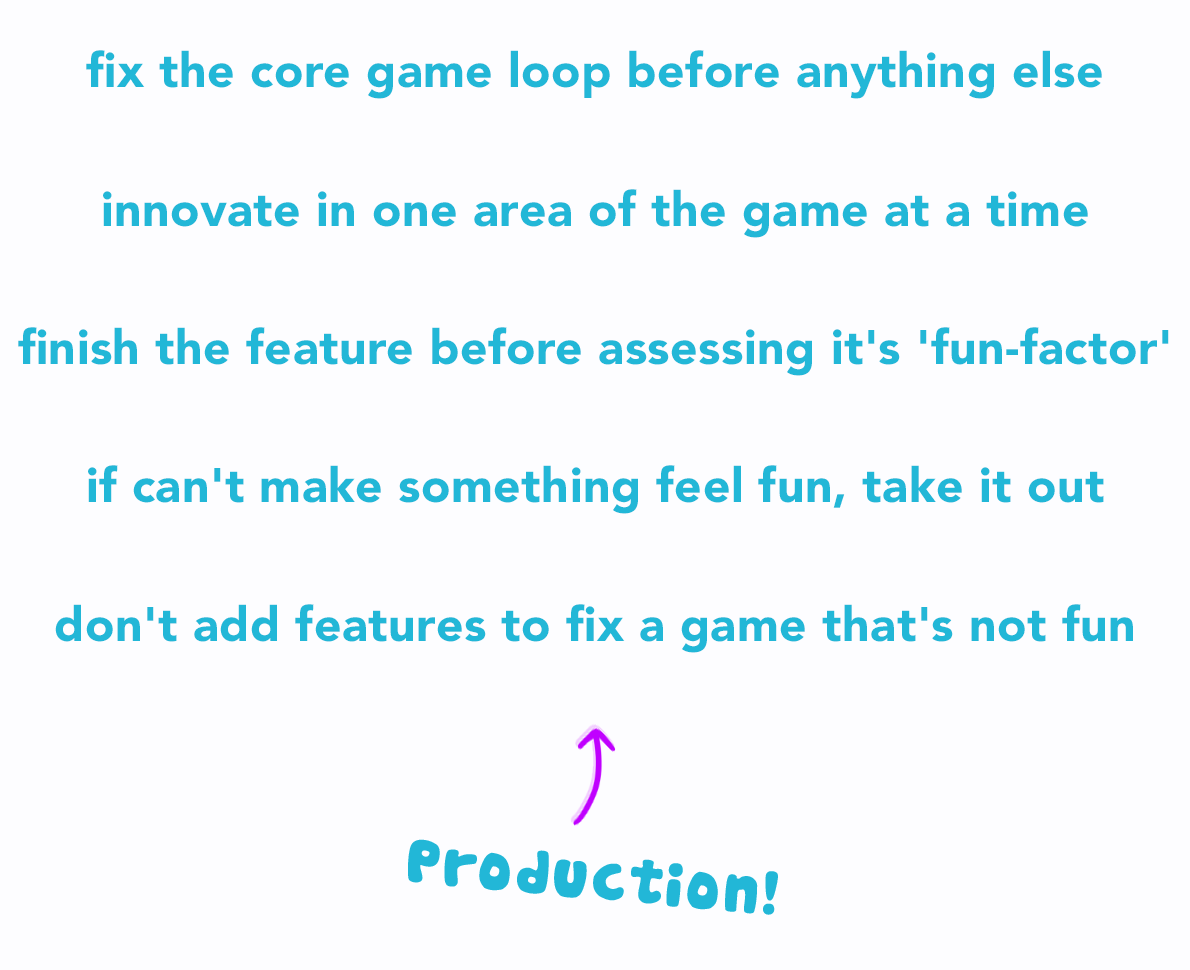
Design Rules

    Drag to explore
    Drag to explore

COLLABORATORS & CREDITS

PRODUCTION
DEBUG

DEVELOPMENT
DEBUG

GAME DESIGN
DEBUG
CHARACTER DESIGN
BENEDICT WEBB

UI/UX DESIGN
BENEDICT WEBB

3D DESIGN
CRAIG WHYTE

SOUND
NICK DYMOND
PRODUCTION
DEBUG

DEVELOPMENT
DEBUG

GAME DESIGN
DEBUG

CHARACTER DESIGN
BENEDICT WEBB
UI/UX DESIGN
BENEDICT WEBB

3D DESIGN
CRAIG WHYTE

SOUND
NICK DYMOND